Blog Post 4
For the blog #4, I chose the TED video on Effective Practicing
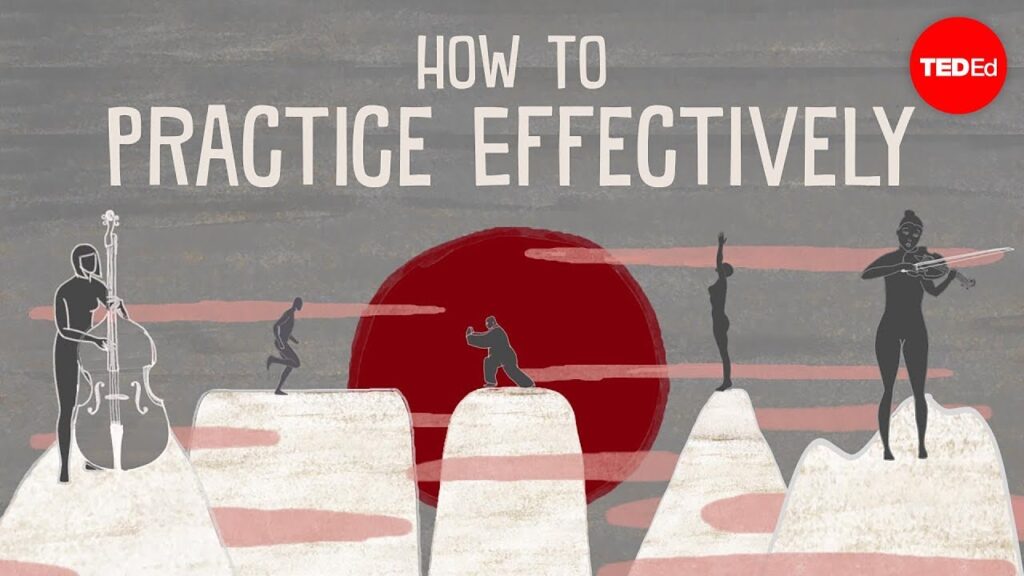
How to practice effectively…for just about anything – Annie Bosler and Don Greene
This video explains how our brains function and debunks some truths and myths regarding practicing. The video also briefly talks about effective practicing such as giving useful tips that are backed by how the brain functions when you practice something. The video goes over how in the brain, the grey matter processes the information and the white matter sends the signals and talks about how the nerve fibers are wrapped in a fatty coating called myelin and when you practice you strengthens the myelin. It also debunks some practicing myths such as how muscle memory truly works and actual bad practicing habits such as common distractions that hinders progress. This video works for all kinds of practice, whether when learning a musical instrument, a sport, or a different language. The concept of practicing regardless of subject remains the same and applies. As someone in music major, this video is particularly useful with me regarding piano and music practices. Finally, what I really like is this video applies to all ages.
An activity I would suggest a student attempt is when a student is practicing anything they’re learning, whether photography, (from our group project learning design), music, sports, or trying to memorize some materials they just learned in class using methods this video shows. This includes practicing regularly over time, work on the specific part one struggles the most, and simulate in your mind how those who are already good at it perform the task aka mentally practice. This is proven in the part of the video where they had some basketball players physically practice and some mentally practice only. The end results were similar after a 2 week period.
For students to get feedback, they can conduct an experiment of their own, spend 2 weeks practicing in their usual ways then spend another 2 weeks practicing using methods from this video and compare the results. This also teaches students to learn to adapt, they can adapt methods from this video to fit their own needs. As explained in the video, this practicing ritual is very easily managed, the 2+2 week experimental is just to set an example, a student can jump straight in to the new practicing ritual highlighted in the video and perhaps see the difference it makes afterwards.
Any barriers can be mitigated by enabling translated subtitles for those who might not speak English natively, playing the video at a lower speed for those with hearing difficulties, and for young learners, I can use kid friendly graphics, and simply the video into a simply fun story-like blog with fun and easy to follow instructions.
Overall, it is an excellent video that actually gets to the science of how to more effectively practice and memorize the materials a learner is trying to learn. It also provides tips regarding effective focused practice and critically proper recovery methods which are practice, pause, think, and re-practice. But don’t over practice the same subject too much in a day because your mind will zone out, making the practice less effective, instead, aim for 2-3 subjects a day and focus on those. It’s not just the length of time put into practice that matters the most, it’s how efficient the practicing session is used.
I think the TED video you chose is very interesting, especially because it explains the science behind effective practice. Your explanation of how myelin strengthens through practice was very helpful and makes the idea of skill development easier to understand. I also liked how you connected the video to your own experience as a music major, since practicing is such an important part of learning instruments like piano.
The activity you suggested, where students compare their usual practice habits with the strategies from the video, is a great way to encourage reflection and self-improvement. Your suggestions for accessibility, such as subtitles and simplified explanations for younger learners, also show strong consideration for inclusive learning.
Hi Michael, I really enjoyed reading your post. I thought it was interesting how you connected the video to your own experience as a music student, especially when you mentioned practicing piano. Your idea of having students compare two weeks of their usual practice with two weeks using the strategies from the video is also very creative. It could help students see whether the techniques actually improve their learning. I also liked your suggestions for accessibility, such as subtitles and adjusting the playback speed, because these can make the video easier for more learners to follow.
Hi Michael,
Thanks for sharing your blog post about how to practice effectively. I really liked the point you made about developing skills and how regularly practicing something that you struggle with helps build good habits over time. Your example about piano playing reminded me of my own experience learning the trumpet. I played until grade 10 and often struggled to hit the higher notes. However, by consistently practicing them, I was eventually able to play a high G on the scale. Over time, regular practice also helped improve my overall playing fluidity. Moving into teaching, this is important to consider as students need to be reminded of the importance of practicing everyday skills such as reading and writing. Thanks again for your insights!